Category: MIM Services

  • Comprehensive intralogistics maintenance: why is it key in today’s logistics?

    Comprehensive intralogistics maintenance: why is it key in today’s logistics?

    In today’s logistics environment, where deadlines are critical and operations cannot be stopped, comprehensive intralogistics maintenance has evolved from a simple technical service to a fundamental pillar. Many of the breakdowns that occur in work centers are predictable. Responding in a timely manner, even before the incident occurs, makes all the difference in this sector where the margin for error is minimal.

    MIM Group, drawing on the experience it has accumulated over more than 20 years dedicated to industrial maintenance, has developed a comprehensive service that covers all the needs that any company may have in this field. Its work model, which combines a team of more than 450 professionals and the latest technology, optimizes operational performance and guarantees operational continuity.

    A comprehensive model for a complex environment

    MIM Group’s intralogistics maintenance service is based on a comprehensive approach that supports companies at every step, from the initial analysis of their facilities to daily technical support. This process begins with a technical visit, during which a team of specialists assesses the condition of the infrastructure and the specific requirements of each operation.

    Based on this analysis, a computerized management system, or “Computerized Maintenance Management System (CMMS),” is implemented, centralizing all information on the machinery operating in the warehouse and enabling its control.

    This information is used to comprehensively analyze key performance indicators, known as “SIGMIMONE.” This allows specialists to make decisions based on specific data, such as performance, temperature, and vibration, to act promptly, ensure proper operation, and reduce costs associated with unexpected failures.

    The latest technology

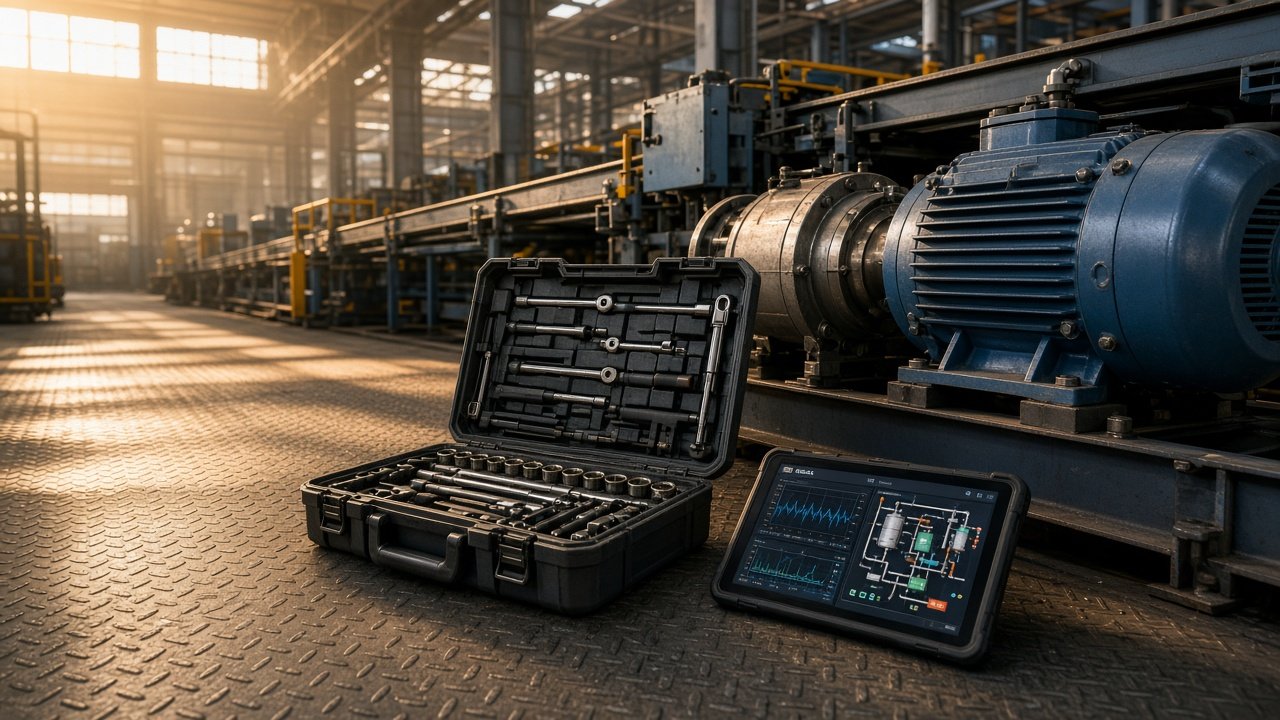
    MIM Group uses advanced systems such as thermography, vibration analysis, and oil evaluation to anticipate failures before they occur. All this information is processed in the “Robomap” control room, which operates 24 hours a day, 365 days a year. This combination of technology and human talent allows problems to be detected in real time and an immediate solution offered, reducing downtime.

    Key Benefits of Comprehensive Intralogistics Maintenance

    Ensured operational continuity: 24/7 technical support minimizes facility downtime.
    Effective failure prevention: Predictive maintenance detects anomalies before they cause interruptions.
    Cost reduction: Computerized management and specialized services reduce operating expenses.
    Longer equipment lifespan: The combination of predictive and corrective techniques maximizes machine performance.
    Sustainability and environmental responsibility: Component repair reduces environmental impact and encourages efficient use of resources.
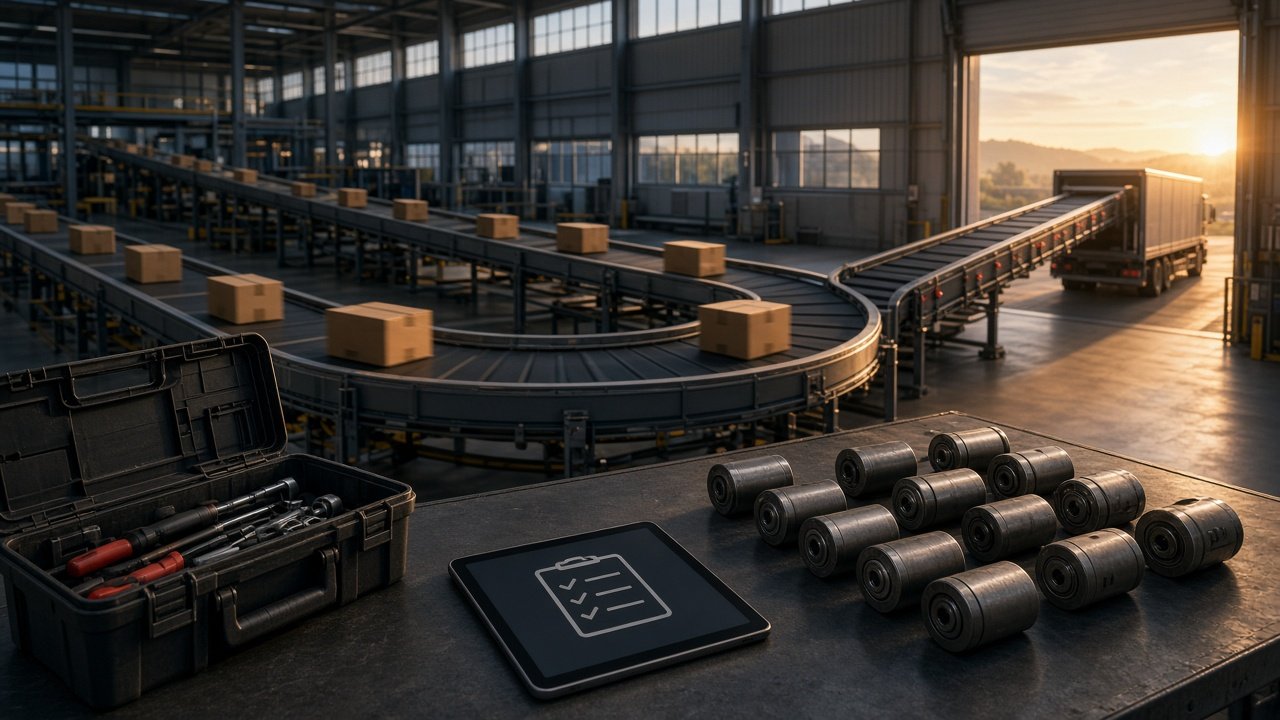
    A clear example of how this technology works could be an automated warehouse with conveyor systems and sorters. Without proper maintenance, this equipment can suffer critical downtime due to inevitable wear and tear on motors or sensors. Thanks to Robomap and predictive monitoring, these failures would be anticipated and resolved in a controlled manner without affecting daily operations.

    A tailored service

    No two warehouses are the same. The diversity of equipment in logistics facilities requires customized solutions. That’s why MIM Group offers solutions tailored to the unique needs of each operation.

    Are you ready to transform your logistics operations? Discover how MIM Group can ensure your business runs smoothly without unexpected downtime or issues. Contact us today and take the first step toward more efficient logistics.

  • Cleaning for businesses: optimize space and save resources

    Cleaning for businesses: optimize space and save resources

    Business cleaning services are crucial for ensuring an efficient and healthy work environment. Although often underestimated, they directly impact employee productivity and well-being. In this regard, more and more companies are turning to professional business cleaning services to ensure impeccable environments.

    Outsourcing these tasks offers multiple benefits: cost reduction, access to the latest technologies, and the guarantee of highly qualified personnel.

    A clear example of this trend is MIM Punt Net. This company, supported by high-performance teams and equipped with cutting-edge tools, plays a fundamental role in the evolution of the sector. It stands out for offering a comprehensive approach that not only keeps spaces clean but also optimizes work planning and execution. Thanks to this method, many companies in different sectors have already significantly improved their operating conditions.

    Below, we present 10 major advantages of having a comprehensive cleaning service for businesses:

    1. Cost Reduction

    First, outsourcing the service allows companies to avoid investments in products, equipment, and their own personnel. Specialized companies provide everything needed, eliminating fixed costs and allowing resources to be redirected to strategic business areas.

    2. Focus on the Business

    Furthermore, by delegating cleaning management, internal teams can fully focus on the company’s core activities, improving overall efficiency and productivity.

    3. Increased Productivity

    Furthermore, a clean environment promotes concentration and reduces absenteeism. Regular, deep cleaning helps minimize the spread of disease, which directly impacts team performance.

    4. Greater Quality and Safety

    Furthermore, having trained professionals guarantees a level of cleanliness and safety that is difficult to achieve with non-specialized personnel. This translates into safer spaces and strict compliance with current regulations.

    5. Access to the Latest Technology

    Another great advantage is the ability to benefit from cutting-edge technologies without the need for direct investment. From purification systems to techniques like cryogenics, everything is within your company’s reach.

    6. A Tailor-Made Service

    Similarly, outsourced cleaning allows for complete adaptation to the client’s needs. Schedules, frequency, types of cleaning… everything is tailored to the company’s daily operations, without interference.

    7. Specialization in Multiple Sectors

    No less important, specialized companies have experience in various sectors. This allows them to apply the most effective protocols and comply with the specific regulations of each industry.

    8. Highly Qualified Personnel

    Furthermore, the staff is properly trained to use professional products and machinery. Their training ensures high-quality results and a service aligned with the most demanding standards.

    9. The Latest in Security

    In addition to the above, these companies have the necessary insurance and comply with all risk prevention regulations, which provides peace of mind to the client.

    10. A Comprehensive Service

    Finally, outsourcing means providing a complete service: from daily cleaning to specific interventions such as post-construction work or disinfection of critical areas. All under the supervision of experts who guarantee efficiency and continuity.

    In conclusion, if you’re looking for a reliable, adaptable, and high-quality cleaning service, MIM Punt Net is the ideal partner. Contact us and discover how we can help you keep your facilities spotless, safe, and ready to boost your productivity.

  • Digital Twins: What are they? How do they work?

    Digital Twins: What are they? How do they work?

    Digital Twins: What are they? and How do they work?

    Digital twins were invented to create a virtual replica of a warehouse, factory, product, or system using real-time data from sensors and IoT devices, that is, with the help of mathematical data (Big Data), simulating the operation of the object and sensor data. A relationship is created between the virtual environment and the simulated machine, allowing changes in process conditions to predict the behavior of assets when they are put into operation. This helps minimize unplanned downtime and schedule maintenance activities in a planned manner. For example, a company that manufactures automobiles can create a digital twin of its assembly line. By simulating the assembly process, the company can identify potential bottlenecks and inefficiencies before they occur in the real world.

    What does a digital twin provide in a warehouse? From tracking product location to inventory control, route planning and scenario simulation, the four most important benefits of implementing digital twins in a warehouse are: optimized operational efficiency, reduced costs, improved decision-making, and finally, improved customer experience.

  • About Industrial Maintenance

    About Industrial Maintenance

    Industrial maintenance is a fundamental part of any company dedicated to production and manufacturing. Its main objective is to ensure the proper functioning of equipment and machinery, minimizing downtime and production costs. This article will explore best practices for improving industrial maintenance and how it is expected to evolve in the future.

    Current Improvements in Industrial Maintenance

    Today, technology has significantly improved industrial maintenance. Some of the most notable improvements include:

    Predictive Maintenance: The use of sensors and data analysis makes it possible to predict failures and schedule machinery maintenance before unplanned downtime occurs.
    Preventive Maintenance: Scheduling periodic maintenance that includes inspection, cleaning, lubrication, and other tasks to prevent failures.
    Corrective Maintenance: Performed after a failure has occurred, and machinery is repaired or replaced.
    Total Productive Maintenance (TPM): Focused on maximizing equipment efficiency and reducing downtime.
    IoT Technology: The use of internet-connected devices allows for real-time monitoring of equipment status and more accurate predictions.
    The Future of Industrial Maintenance

    Industrial maintenance is expected to continue evolving in the future, thanks to the incorporation of new technologies and more advanced practices. Below are some of the most relevant trends:

    Artificial Intelligence (AI): AI can help analyze large amounts of data more effectively, identifying patterns and anomalies to prevent failures before they occur.
    Robotics: The use of robots for machinery maintenance will allow more dangerous or complex tasks to be performed without putting workers at risk.
    Augmented Reality (AR): AR can help maintenance technicians identify specific parts and see how they function before performing repairs.
    Wearable Technology: Wearable technology, such as smart glasses, can provide maintenance technicians with access to relevant information in real time, improving their efficiency and reducing downtime.
    Blockchain: Blockchain technology can improve the traceability of equipment and its maintenance history, which can help identify failure patterns and optimize maintenance programs.
    Ethics and Morals

    Often, when thinking about industrial maintenance, the focus is on technical and financial aspects, but it is also important to consider the ethical and moral motivations that drive it.

    First, industrial maintenance is essential to ensuring worker safety. Machinery and equipment in factories and plants can be dangerous, so it is crucial that they are in good condition and regularly checked to prevent workplace accidents. Workers have the right to a safe and healthy work environment, and industrial maintenance is one way to guarantee that right.

    Second, industrial maintenance is also important to protect the environment. Companies that do not perform proper maintenance can cause environmental damage, whether through chemical leaks, toxic emissions, or water pollution. Lack of maintenance can also increase the consumption of energy and natural resources, which is not sustainable in the long term.

    Third, industrial maintenance also impacts the quality of manufactured products. If equipment is not functioning properly, product quality will suffer, which can impact the company’s reputation and, ultimately, its profitability.

    Finally, industrial maintenance also impacts a company’s social responsibility. Companies have an ethical and moral responsibility to the society in which they operate, and industrial maintenance is one way to fulfill that responsibility. By ensuring their equipment is in good condition, companies can ensure their products are safe for consumers and do not harm the environment.

    In conclusion, industrial maintenance is critical to the success of any company involved in production and manufacturing. Current and expected future technologies will significantly improve maintenance processes, reduce downtime, and increase equipment efficiency. It is important for companies to stay up-to-date with the latest trends and technologies to ensure safe, efficient, and sustainable production.